
Case studies

Background
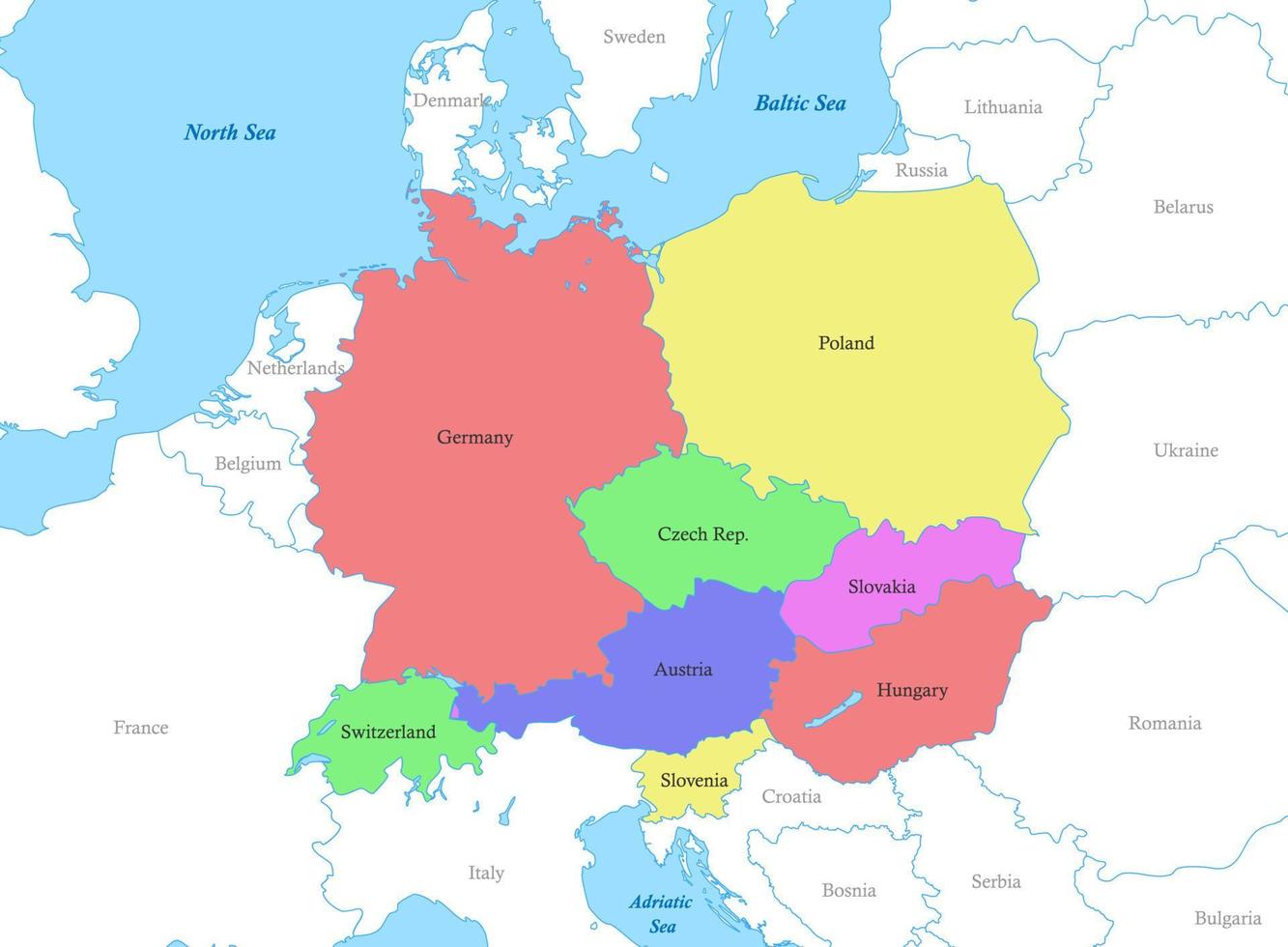
A two year project. Their confectionery business was underperforming in Central Europe. Prior to the project 3,000 people had been made redundant. We were appointed to identify routes to growth. We partnered with McKinsey. We were responsible for the demand side of the project and McKinsey were responsible for the supply side.
The work
- Data analysis
- Extensive qualitative insight research
- Attitudinal segmentation
- Portfolio strategy defined
- Proposition development / re-positioning of one umbrella brand and six product brands, including concept development, qualitative evaluation and optimisation, then quantitative evaluation
- Liaising with executional suppliers regarding implementation
The learning and conclusion
Older consumers looked back on the communist period with affection because it offered certainty, associating today’s society with uncertainty and risk. Younger consumers enjoy the opportunities and freedom that today’s society provides. Older, traditional, local brands were targeted at older consumers and international brands were targeted at younger consumers. As the generations move on, so the international brands will dominate.
The result
Following the project the region returned to growth. All six of the repositioned brands grew and five of them achieved record levels of sales. 4,500 people were hired.
“If I had a really big problem and could only choose one person to help I would choose Simon. He’s fun(ny) too.”
Isabella Visintini, Managing Partner, McKinsey, New York
Background
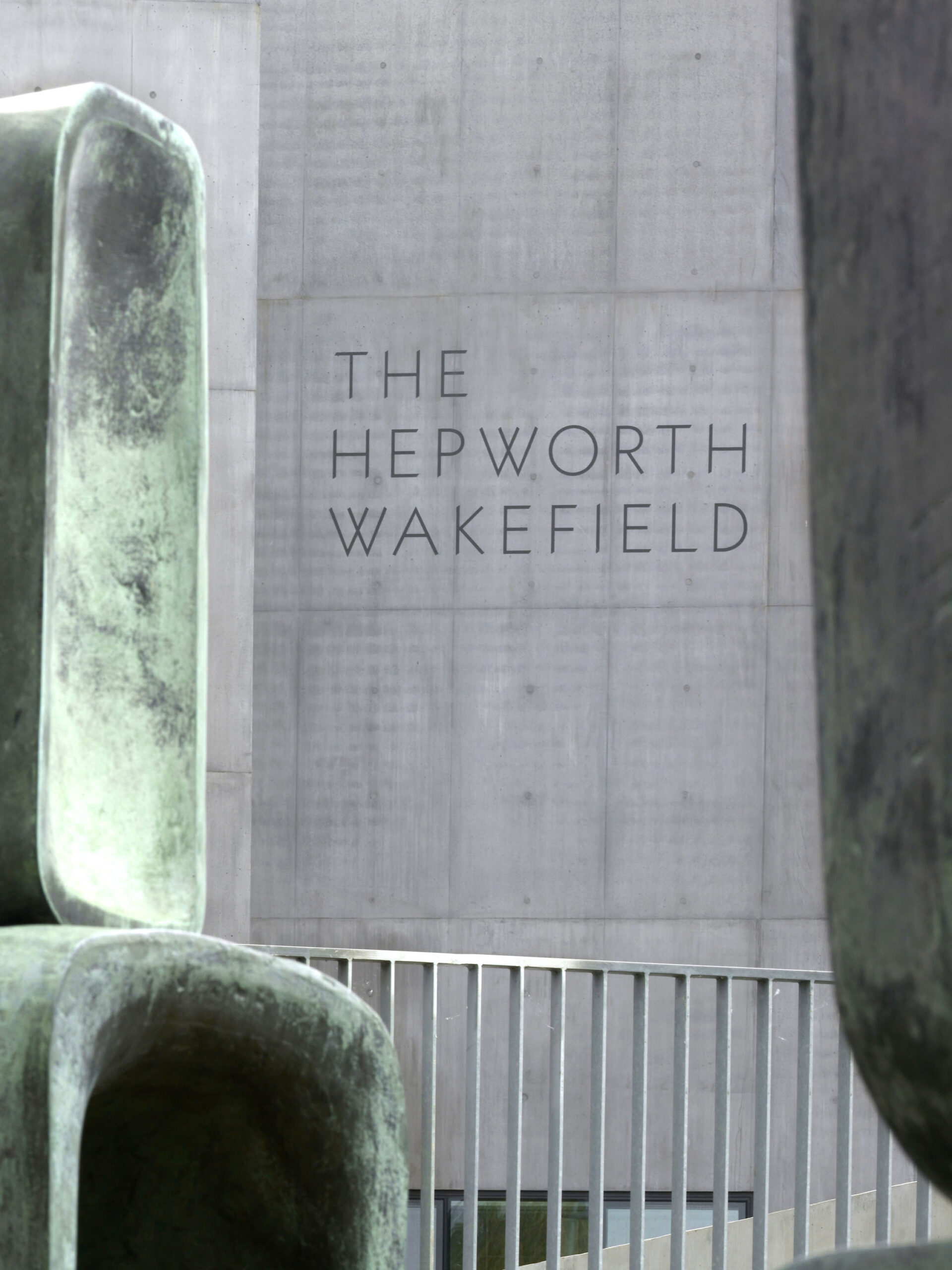
In its first year, the Gallery achieved 480,000 visitors. Five years later, that had dwindled to 200,000 visitors. We were appointed to return visitor numbers to growth.
The work
- Analysis of existing data
- Attitudinal segmentation
- Qualitative insight research into one priority segment
- Communications planning based on insight research and media options
The learning and conclusion
Since the high profile launch the venue had been forgotten. Wakefield was considered to be an unattractive place. The exhibition programme was considered to be obscure. Marketing activity was not being noticed, because it was being spread too thinly. We recommended targeting only younger cultural enthusiasts and only those in Leeds and Sheffield, allowing more bespoke marketing activity, thereby having greater impact. We recommended making a proportion of the exhibition programme more accessible and well-known.
The result
Within a year of our work, the decline had stopped and growth had returned. Largely due to our work, the Gallery was awarded the prestigious ‘Art Fund Museum of the Year’ award and the director, Simon Wallis, received an OBE.
“The results were immediate and exciting. The whole team engaged with targeting one segment and the profile of the gallery has continued to grow.”
Jane Marriott, Deputy Director
Background
The Marketing Department was quite operationally focussed and wanted to become more strategic. The department was fully utilised and no recruitment could take place. Therefore the operational aspects of their work had to become more efficient to free up time and resources for more strategic work.
The work
- Marketing, and asset management knowledge auditing, to identify skills levels, training needs and personnel with most strategic potential
- Audit of internal stakeholder’s satisfaction with the Marketing function and any improvements sought
- Managing a programme of operational efficiency improvement
- Implementing marketing skills training
- Post-programme evaluation: Marketing staff and internal stakeholder satisfaction
The learning and conclusion
High levels of operational duplication were identified: different customer marketing teams doing the same work for different sales channels.
In particular, the Sales teams wanted more strategic skills within the Marketing function.
Whilst the Marketing team had adequate asset management knowledge to perform their current roles they needed more, to become more strategically influential.
Greater Marketing strategy skills were needed.
The result
Three individuals were identified as having potential for strategic roles.
Training plans were introduced. We ran the Marketing training. A third party ran the Asset Management training.
The operational efficiencies allowed a strategy team of three to be formed.
Marketing and internal stakeholder satisfaction grew.